

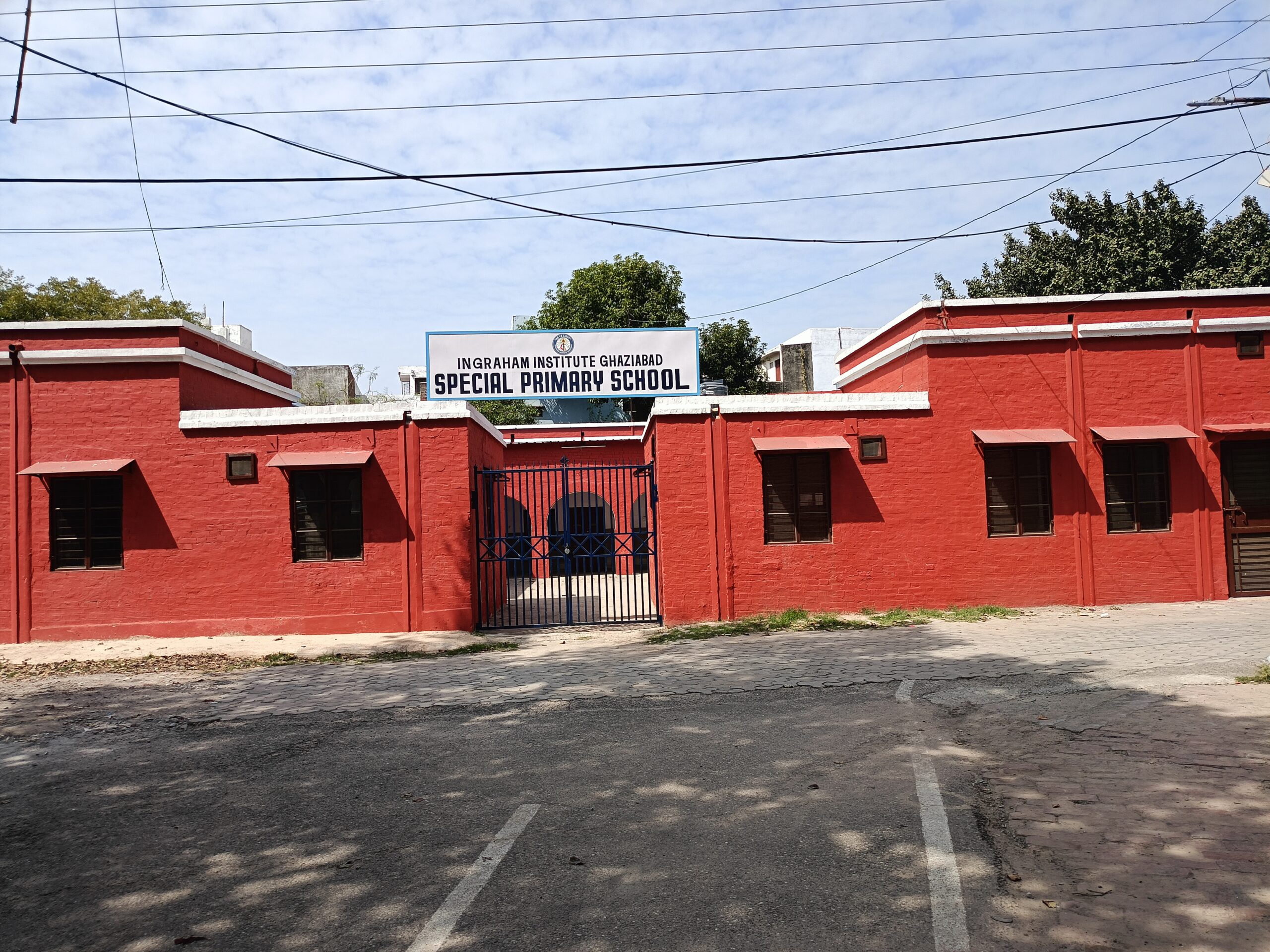
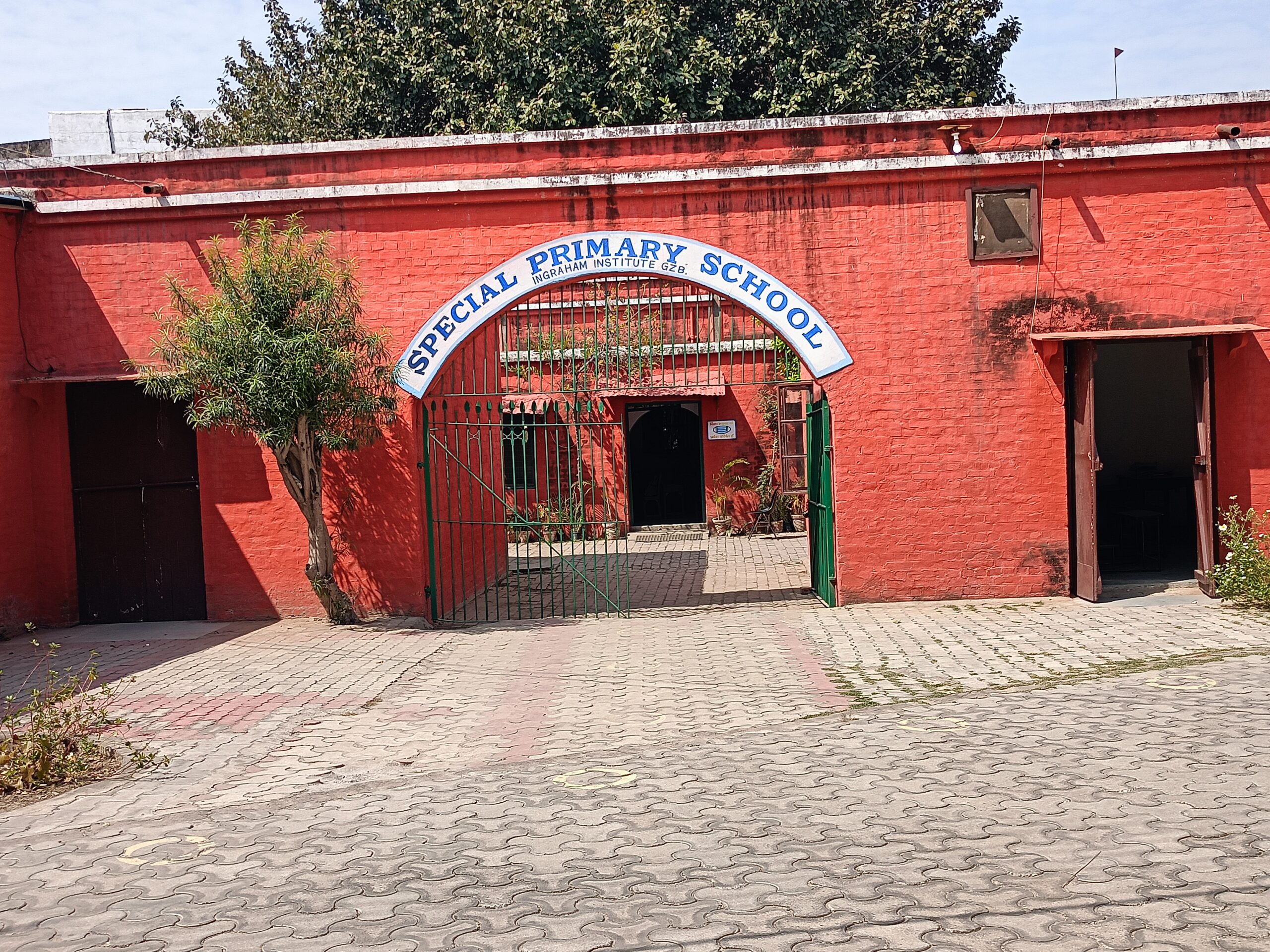
Special Primary School
Dedicated to providing quality foundational education to children, especially those from marginalised sections of society — nurturing knowledge, values, and confidence since 1930.
History & Legacy
The school first took shape in 1930 as an integral part of the Jr. High School at the Ingraham Institute campus. Over the years it grew into a fully independent unit, and in 1973 — under the leadership of the first Indian Director, Mr. Raj Kumar Michael — the school earned formal affiliation with the Basic Shiksha Adhikari (BSA), Meerut.
With over 53 years of recognized service, the school has built a reputation as a nurturing, disciplined learning environment accessible to all. It functions as a proud feeder institution to Ingraham Inter College, ensuring seamless continuity in a child's education.
Recognition was renewed by the Basic Shiksha Adhikari (BSA), Ghaziabad on 06/07/2024, affirming the school's ongoing commitment to quality primary education.
We believe every child — regardless of background — deserves a strong foundation. At Special Primary School, affordable education meets genuine care, and the results speak for themselves through decades of student success.
— School PhilosophyMessage from the Headmistress
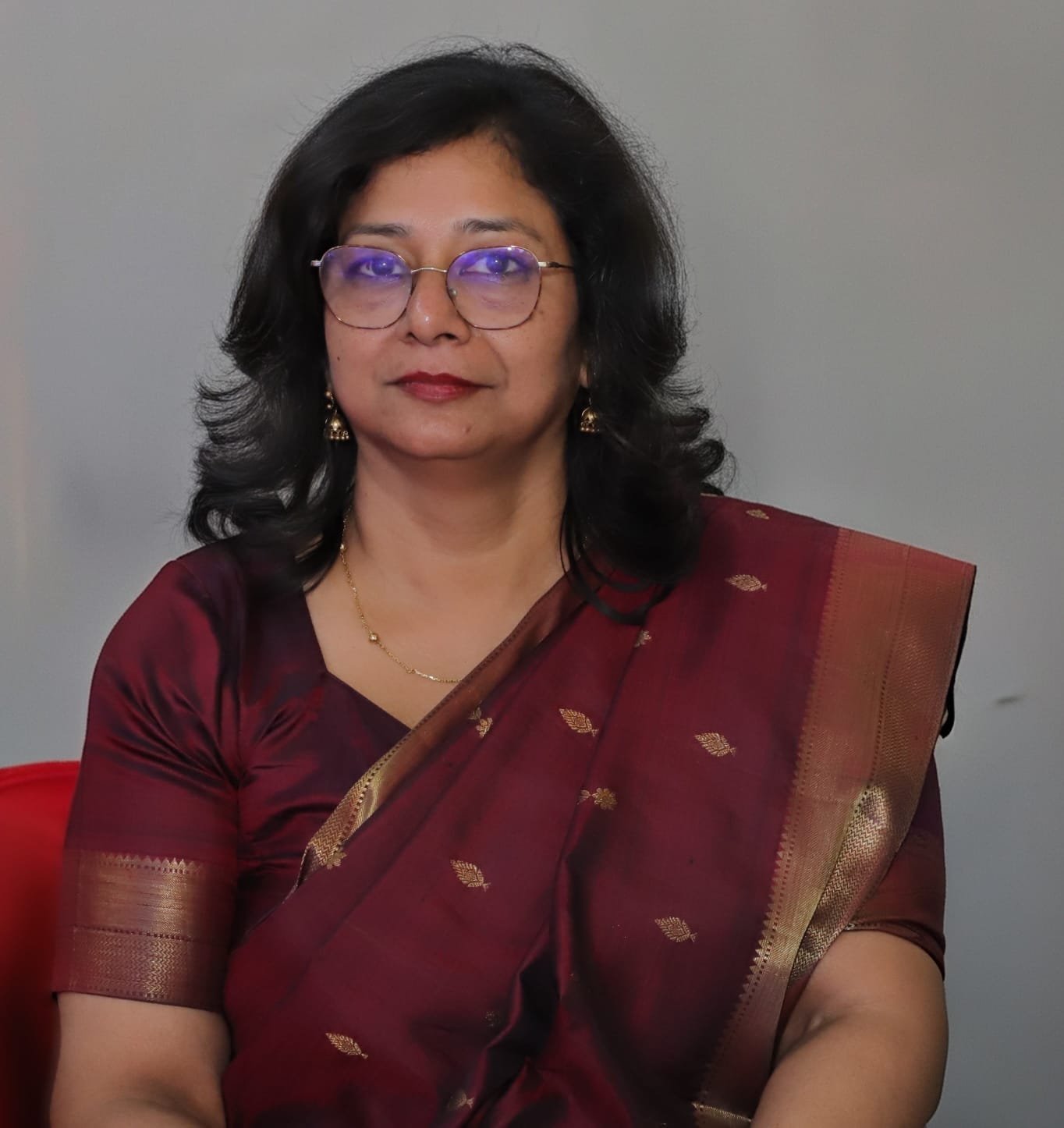
With hearts filled with gratitude to Almighty God, we rejoice as our institution enters the 100th year of its glorious journey. The year 2026 marks the celebration of our Shatabdi Mahotsav, a remarkable milestone that reflects a century of dedicated service in the field of education since our establishment in 1926.
For the past hundred years, our Institution has been a beacon of learning in Ghaziabad, nurturing generations of students who have contributed meaningfully to society. This celebration is not merely a commemoration of time; it is a celebration of countless lives transformed through knowledge, character, discipline, and values.
As we look back with thanksgiving and pride on our rich heritage, we also look ahead with hope and renewed commitment. Our mission remains steadfast - to continue serving society by imparting quality education, fostering wisdom, and strengthening the moral fabric of future generations.
At the heart of our educational philosophy is the desire to build confident, courageous, compassionate, and responsible individuals. We strive to nurture children who live with integrity, uphold truth, and become instruments of love, peace, and service not only for themselves but for the larger good of society.
As we begin this new century of our institution's journey, may Almighty God continue to bless our endeavours, guide our path, and grant us the wisdom and strength to carry forward this noble mission for many years to come.
School Premises
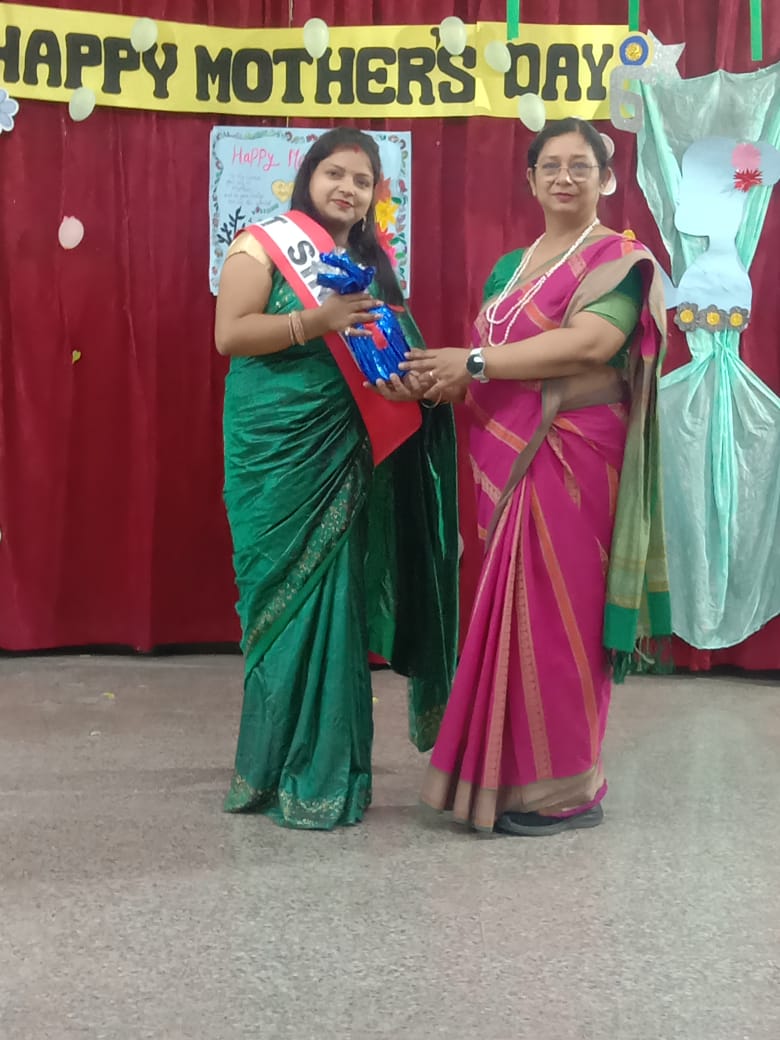
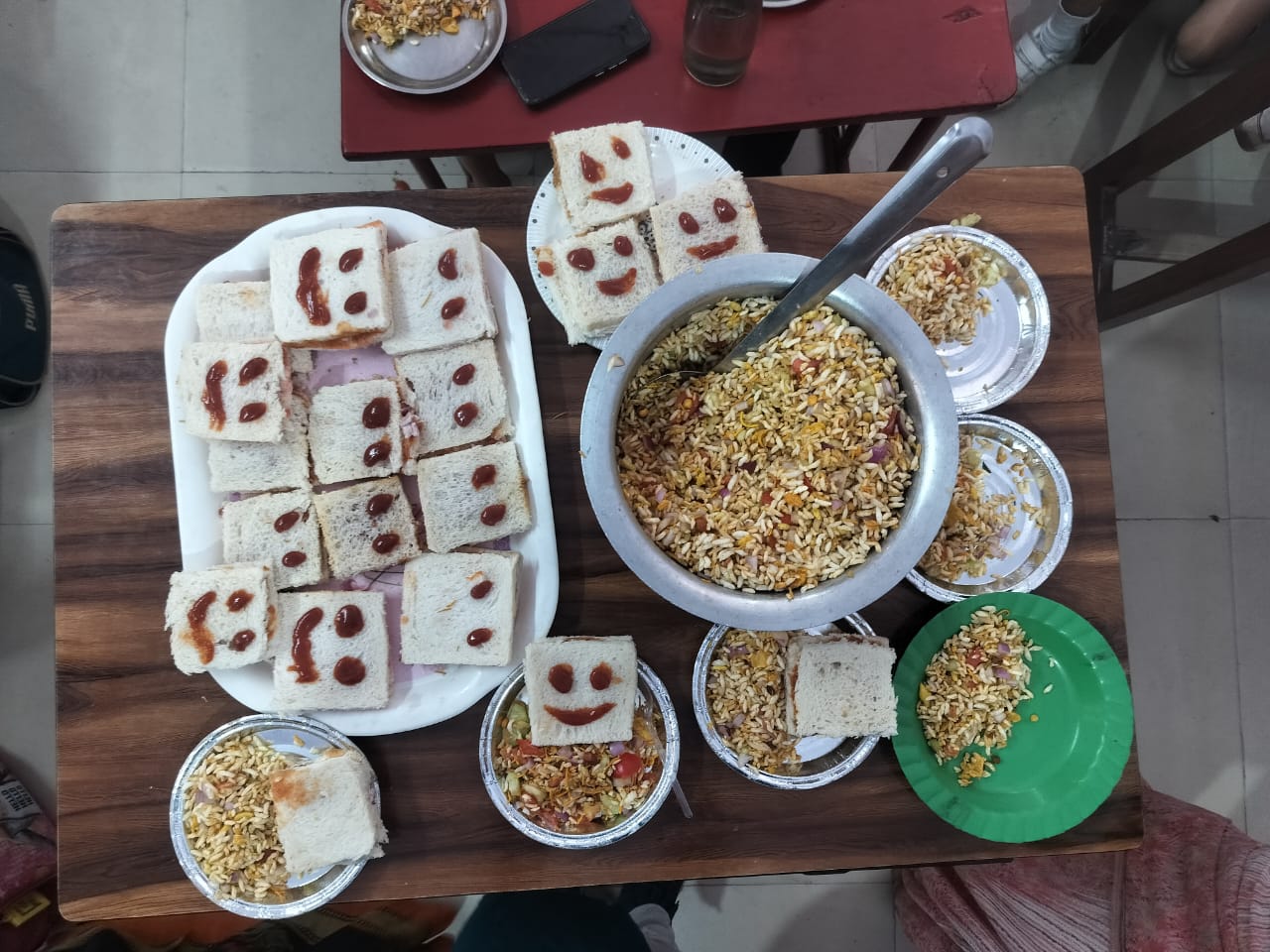
Mother's Day Celebration
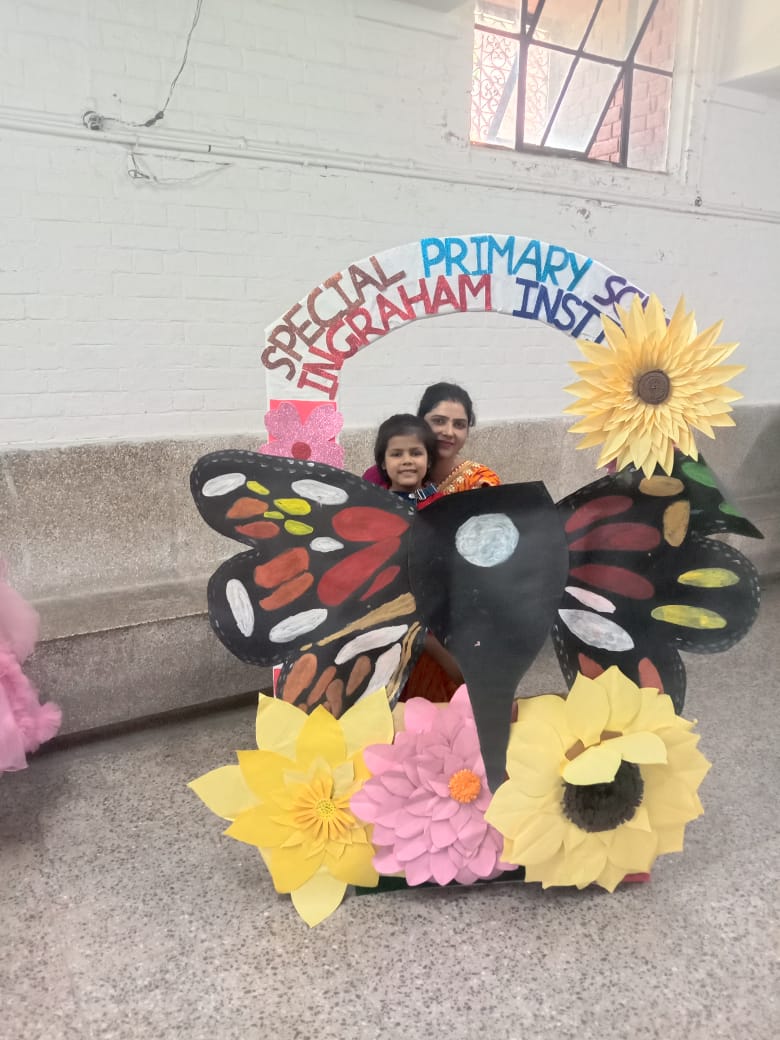
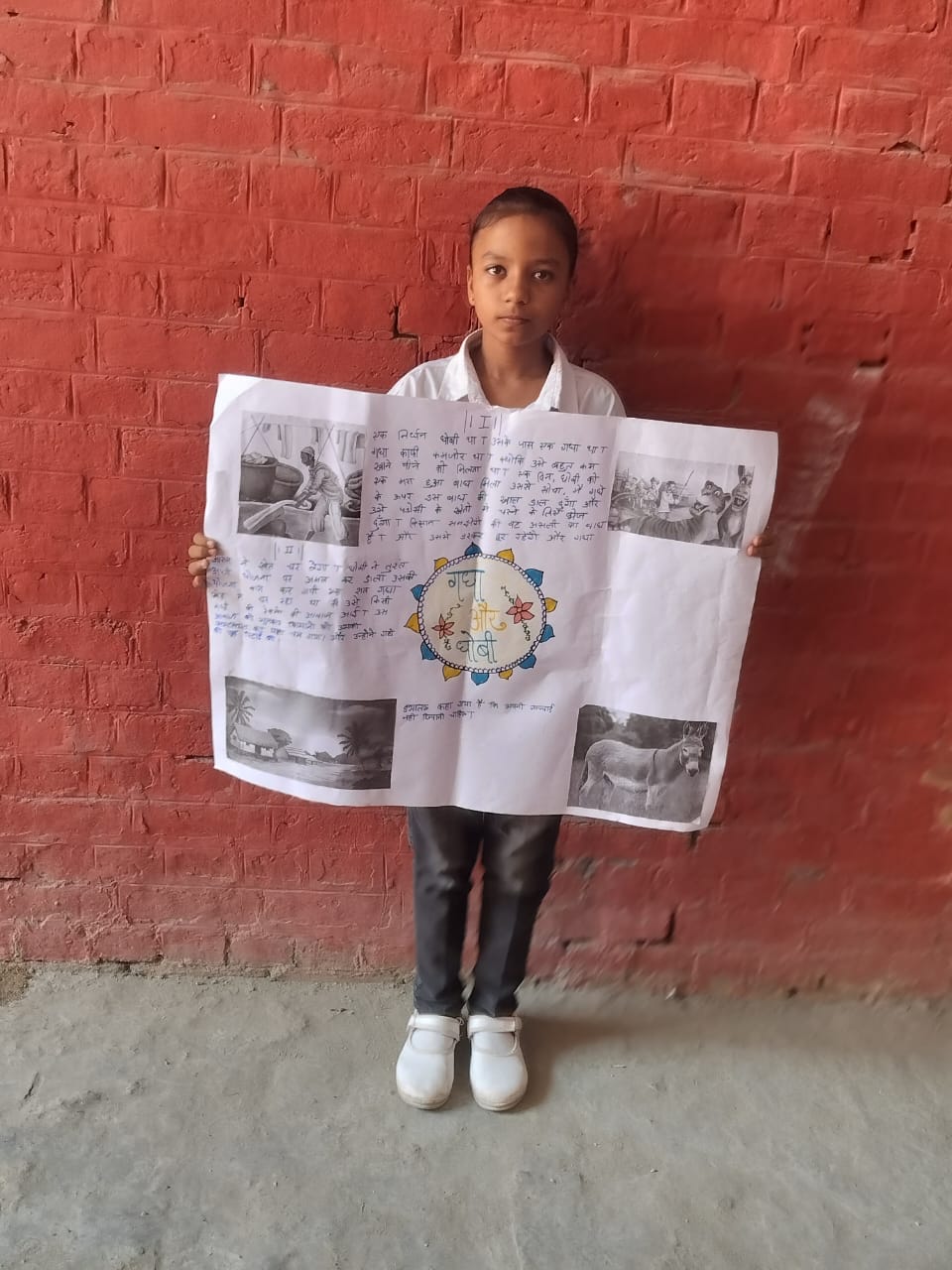
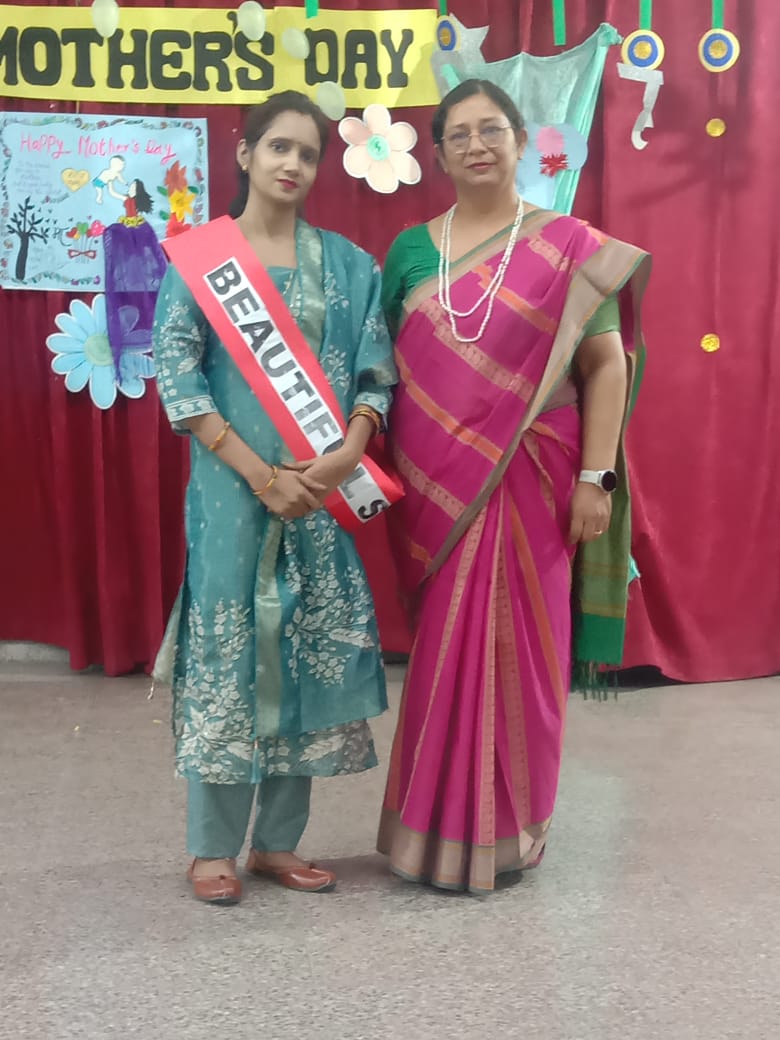
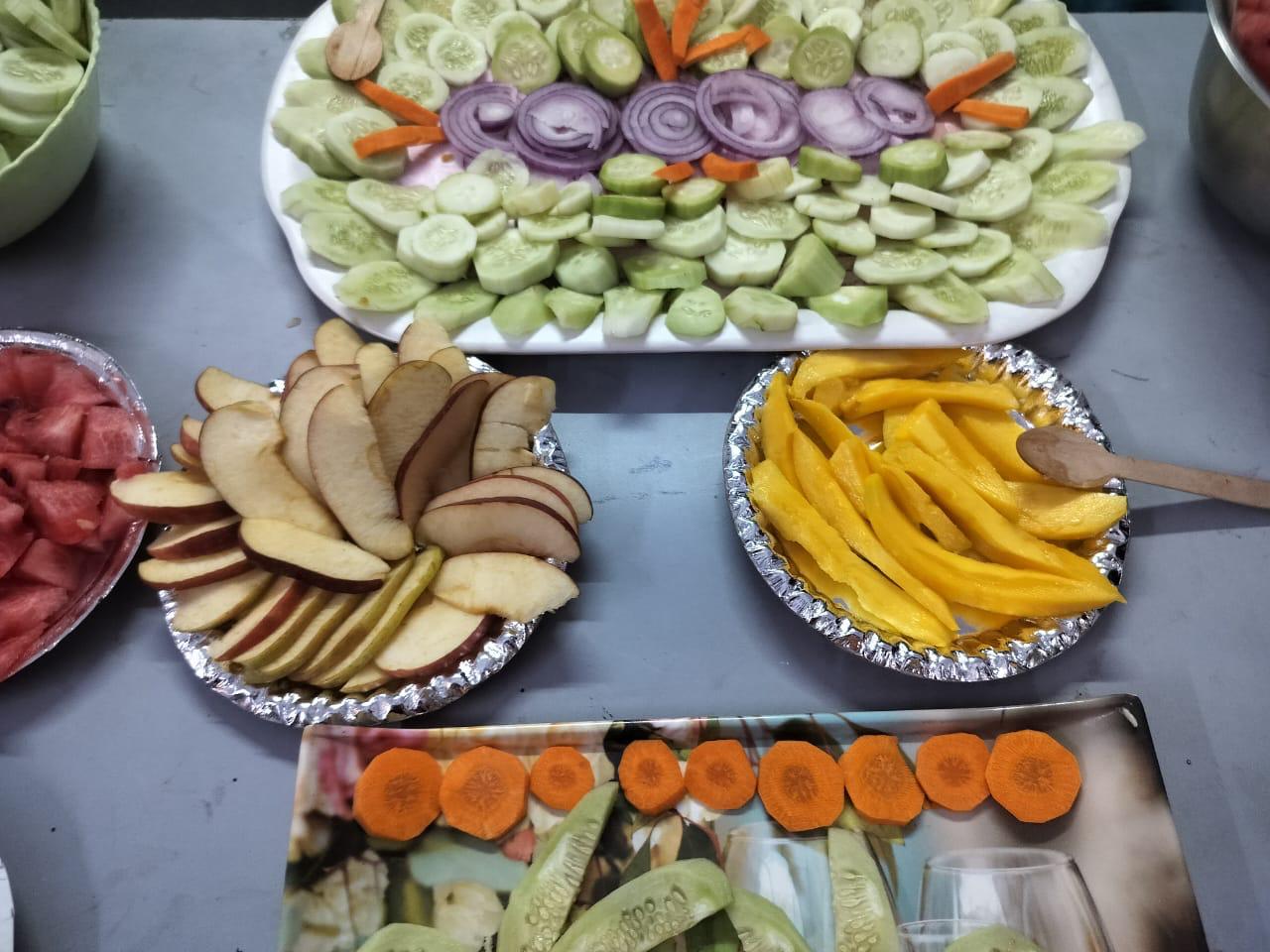
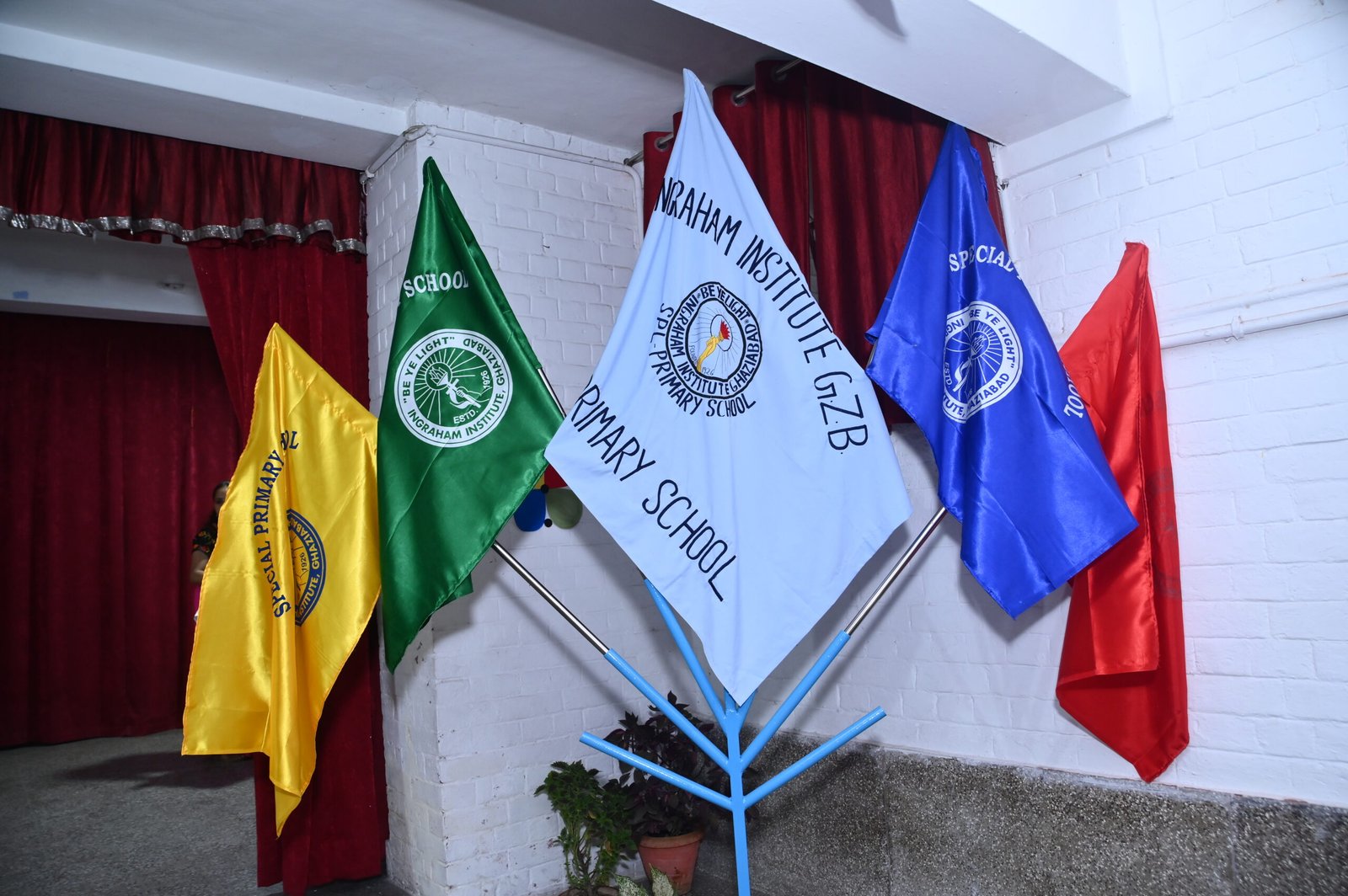
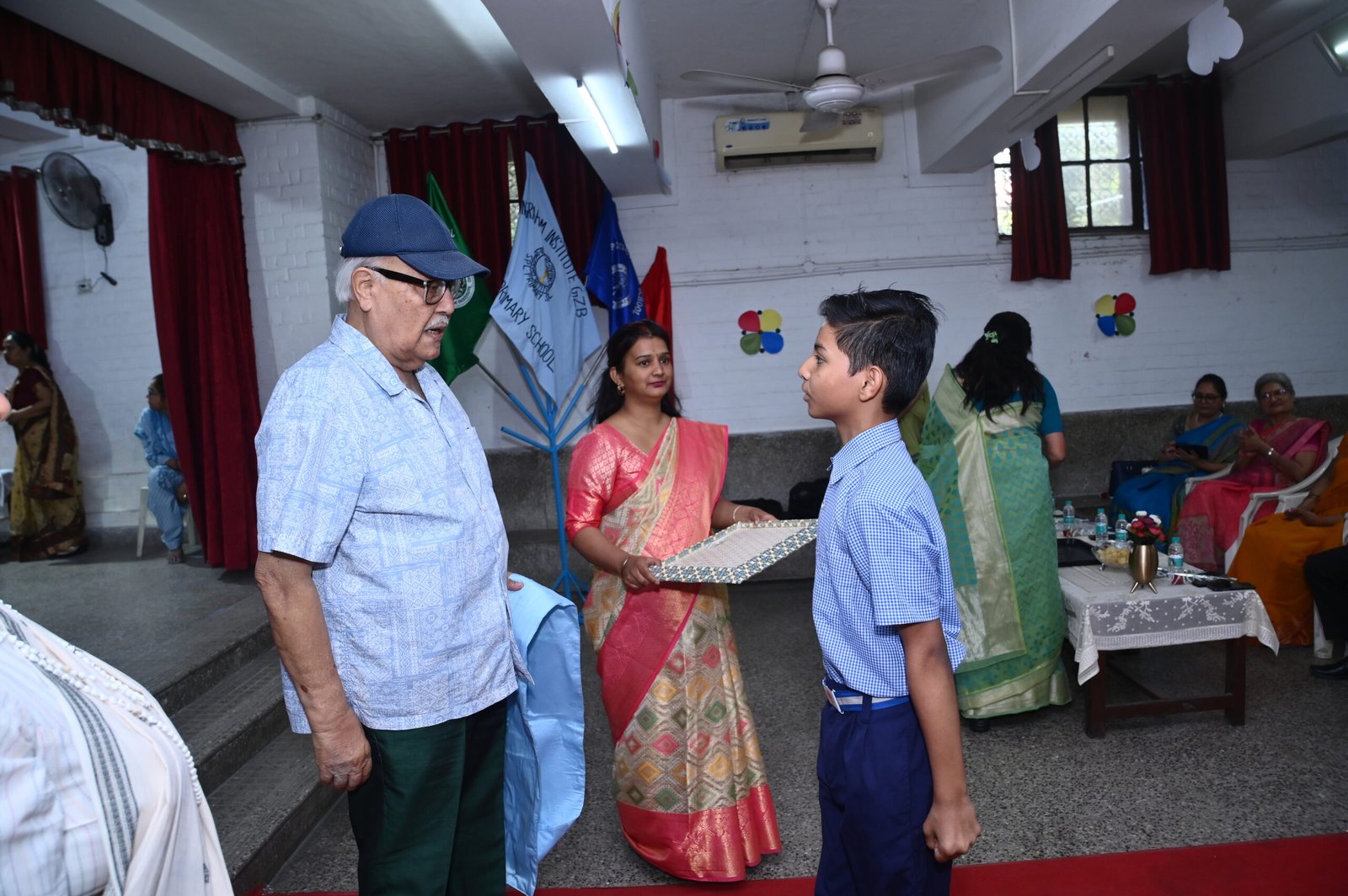
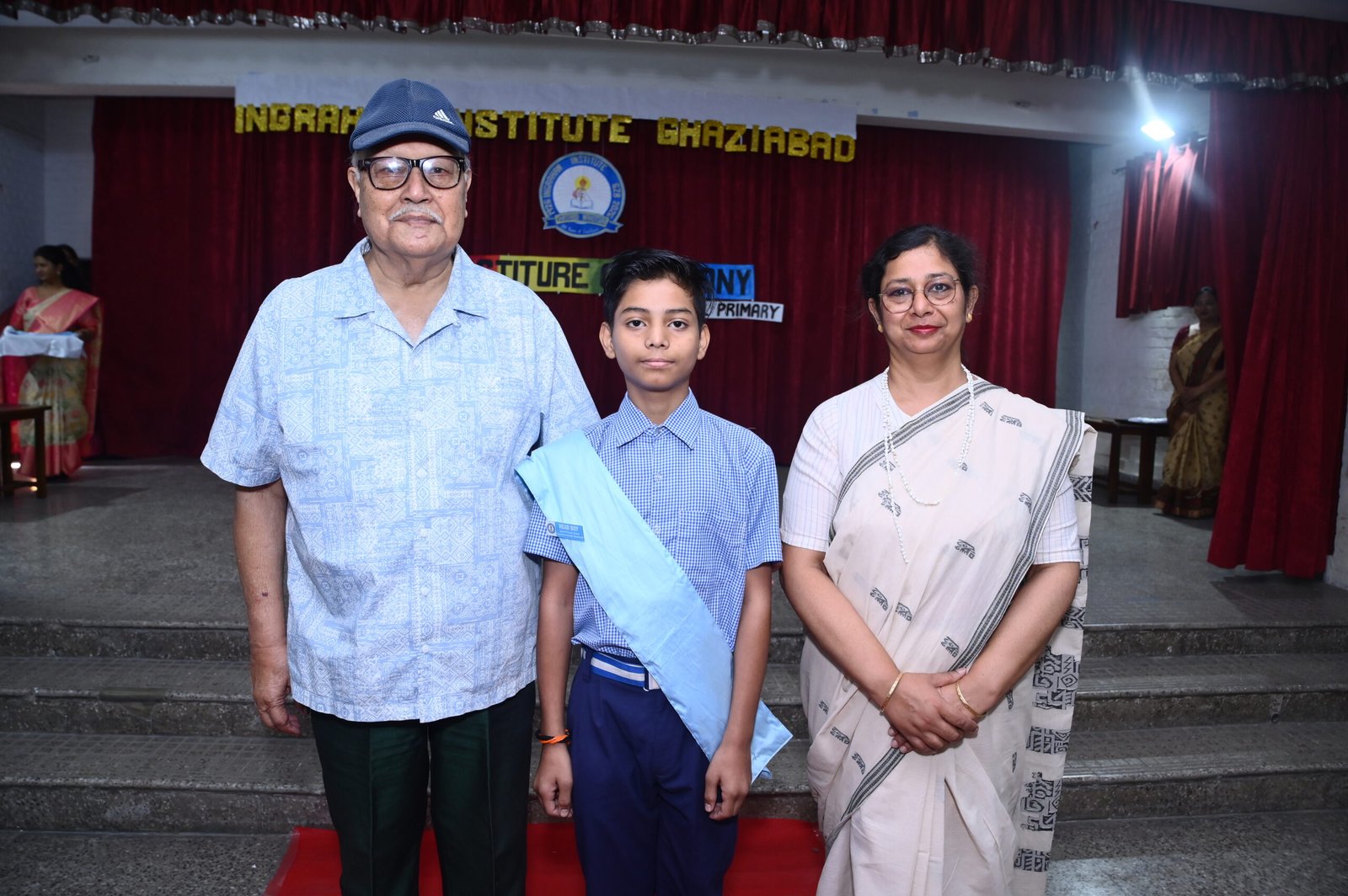
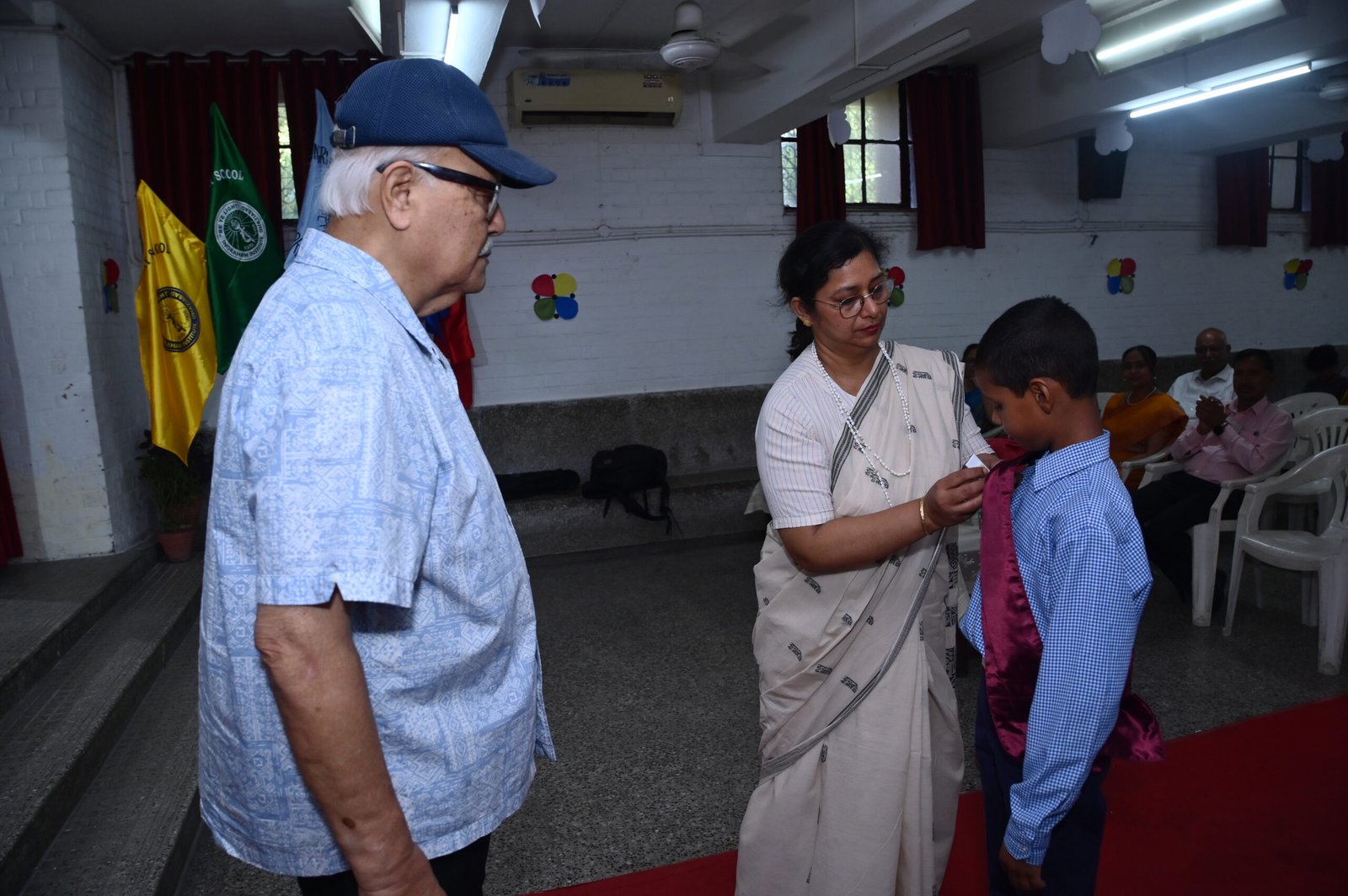
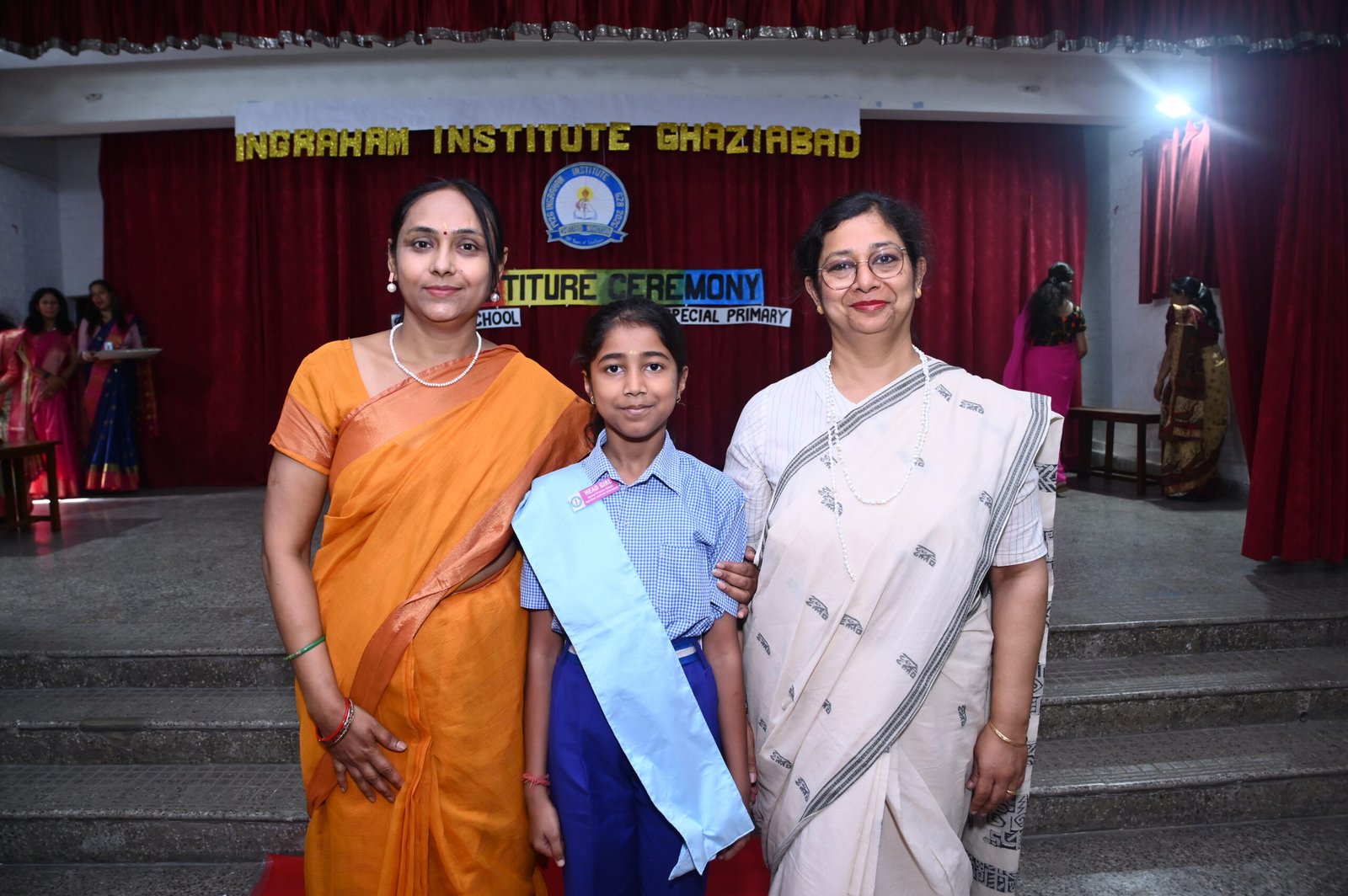
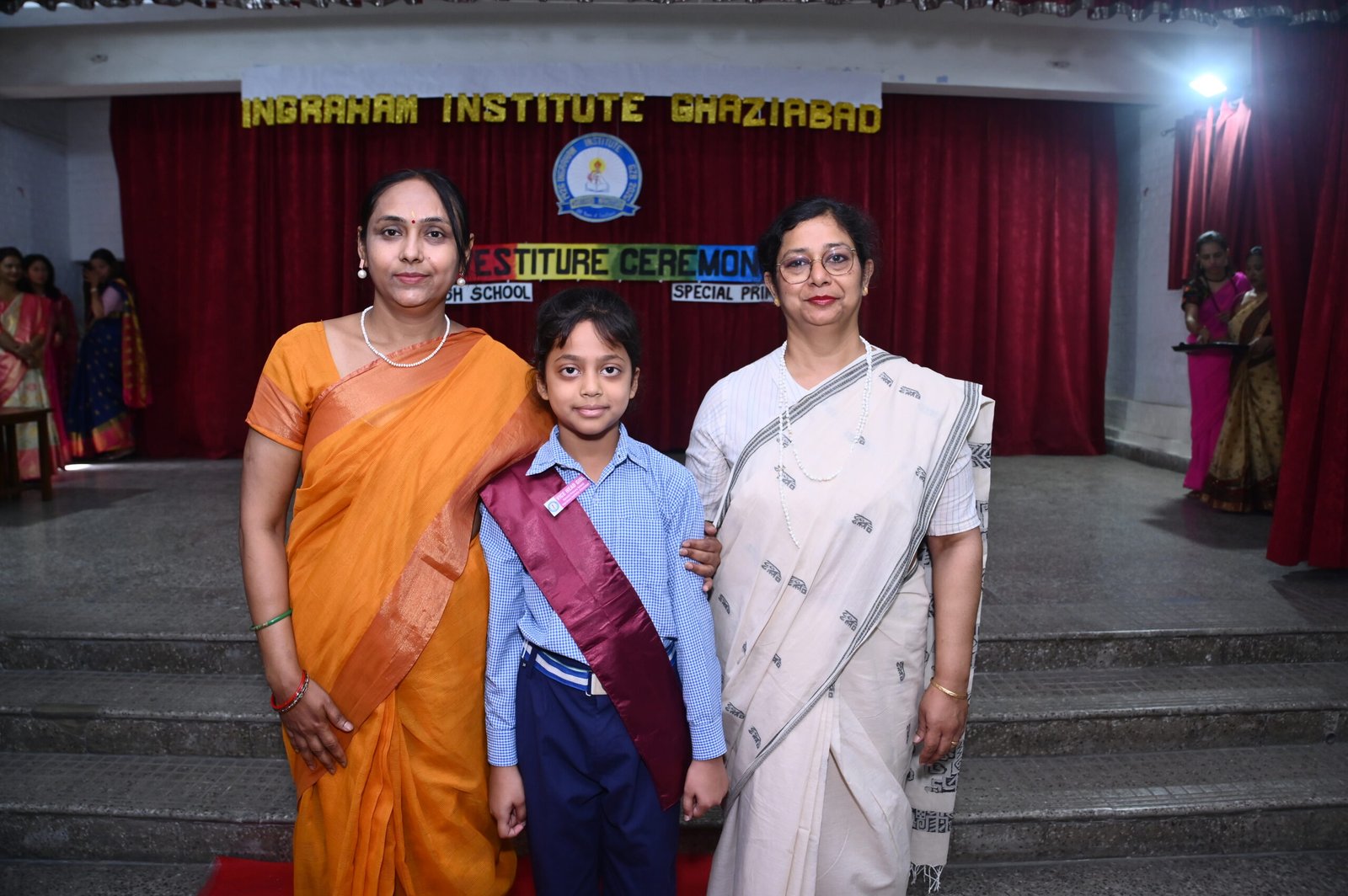
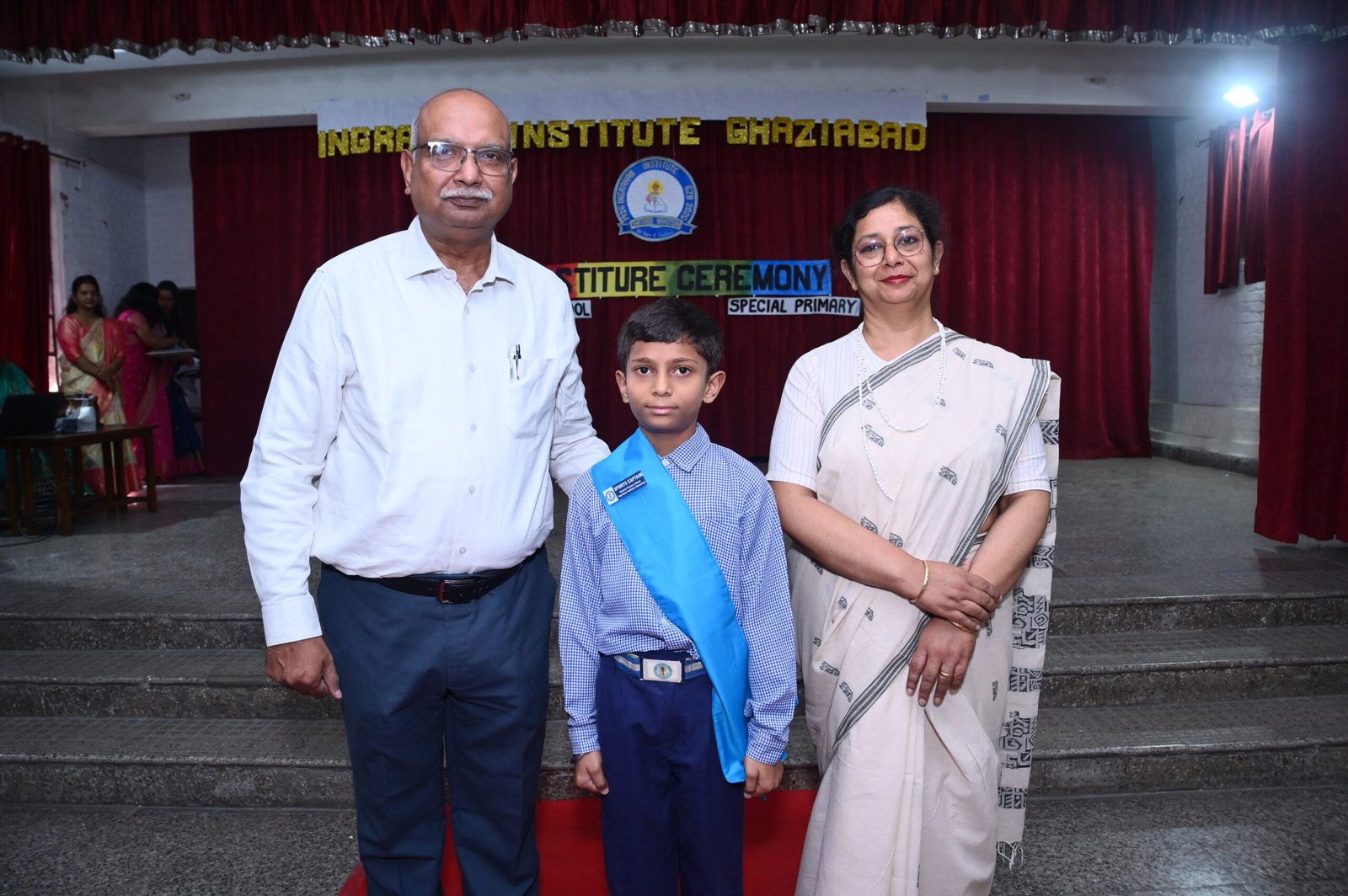
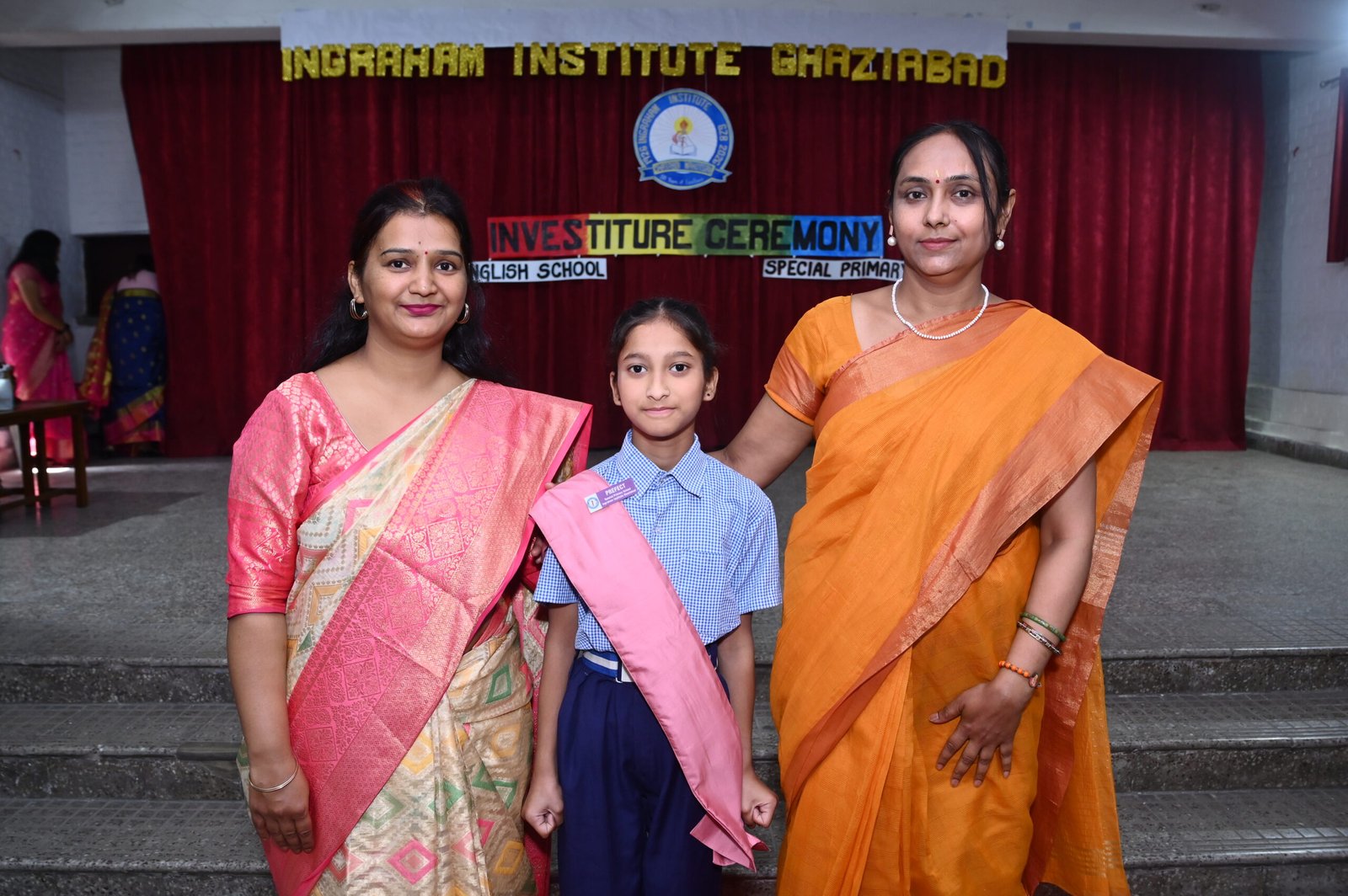
Investiture Ceremony
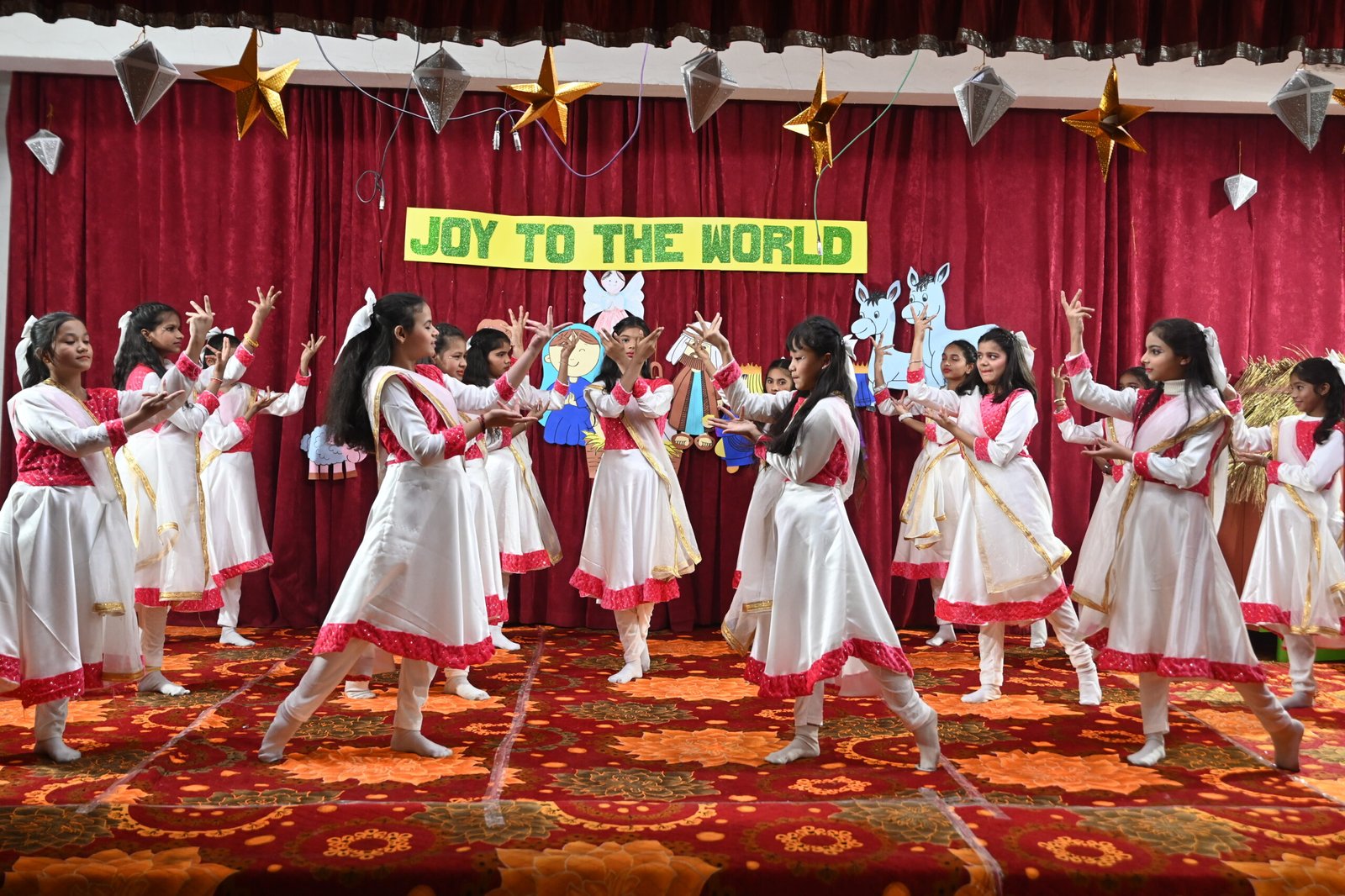
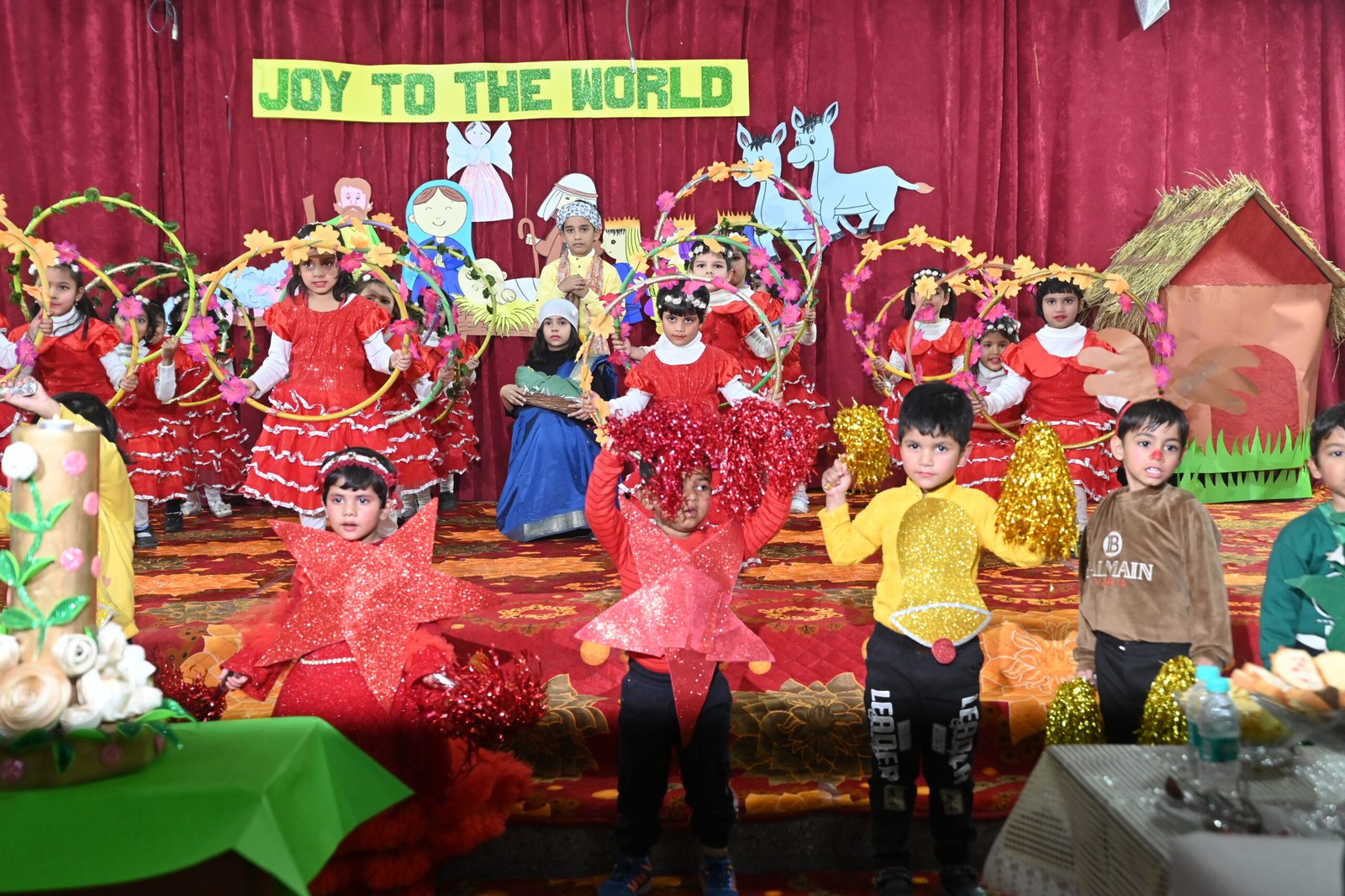
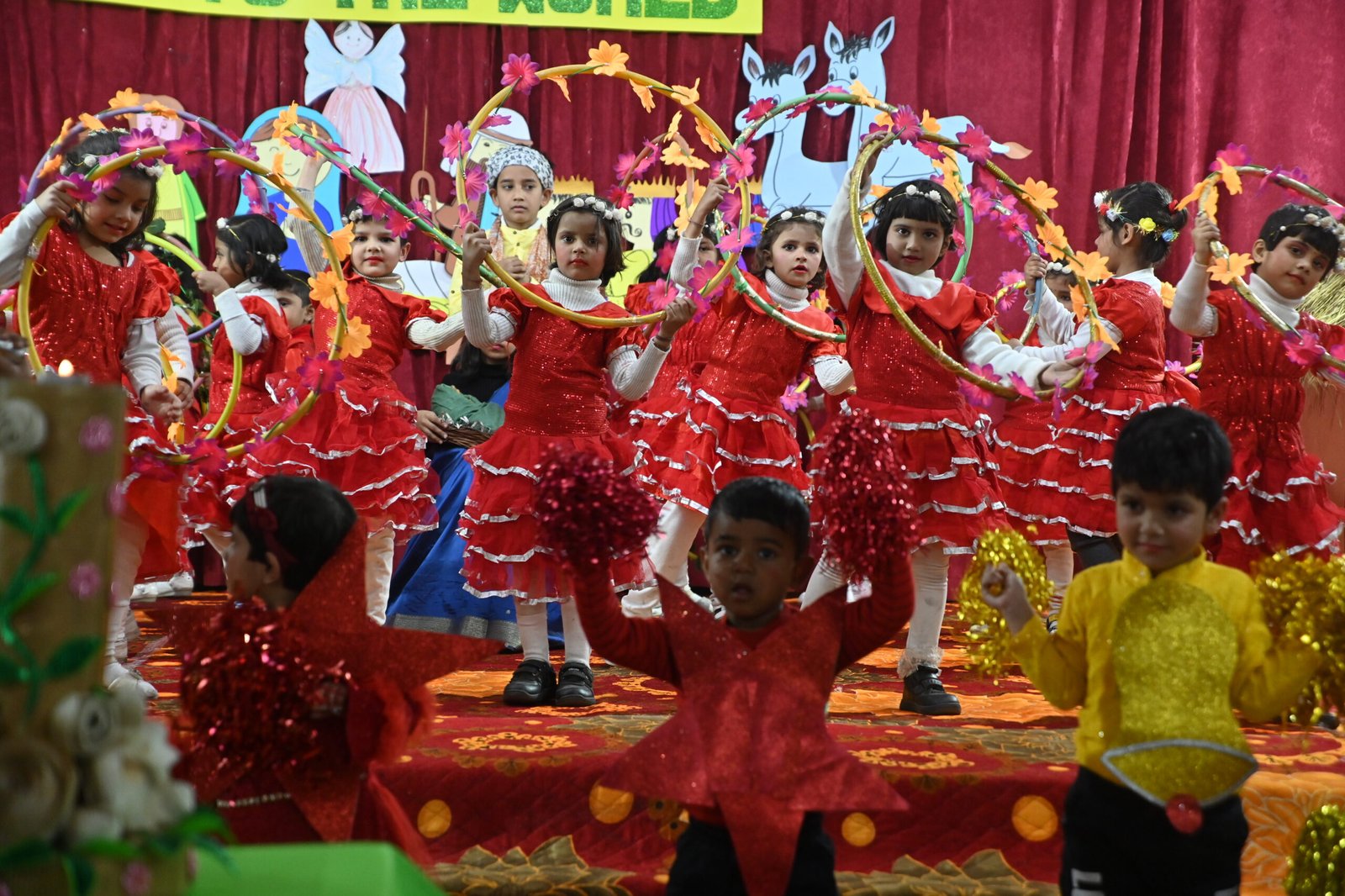
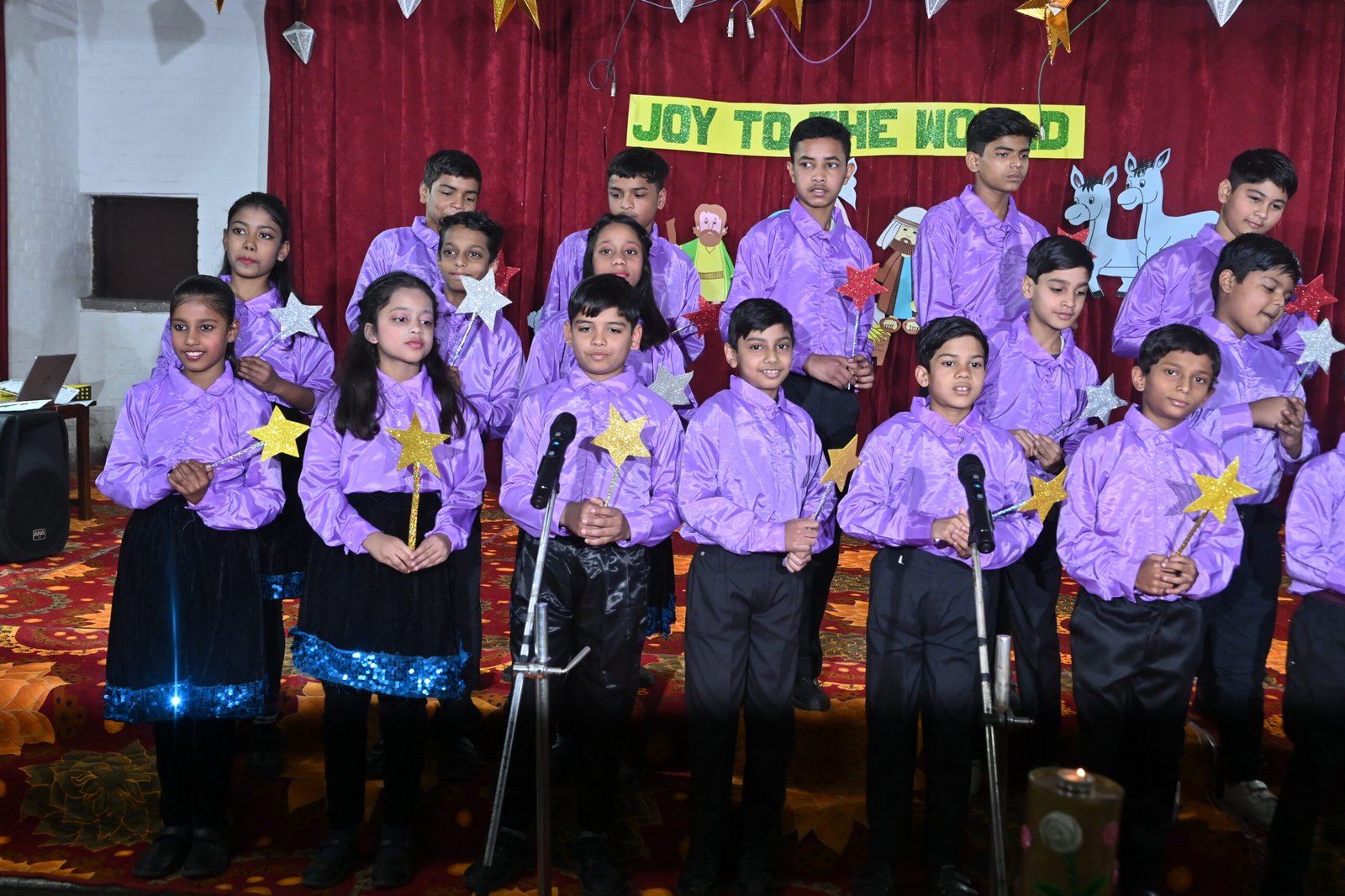
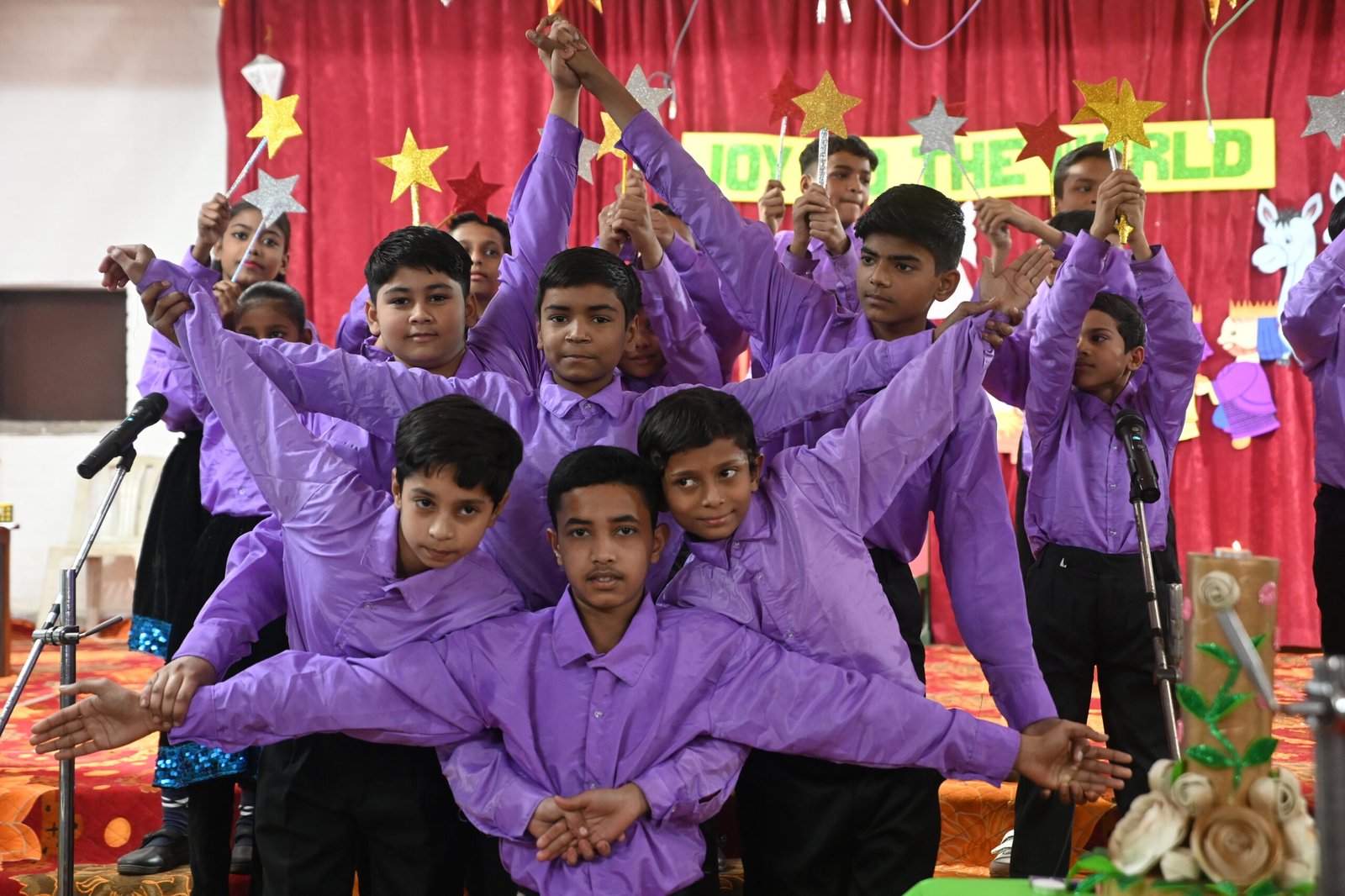
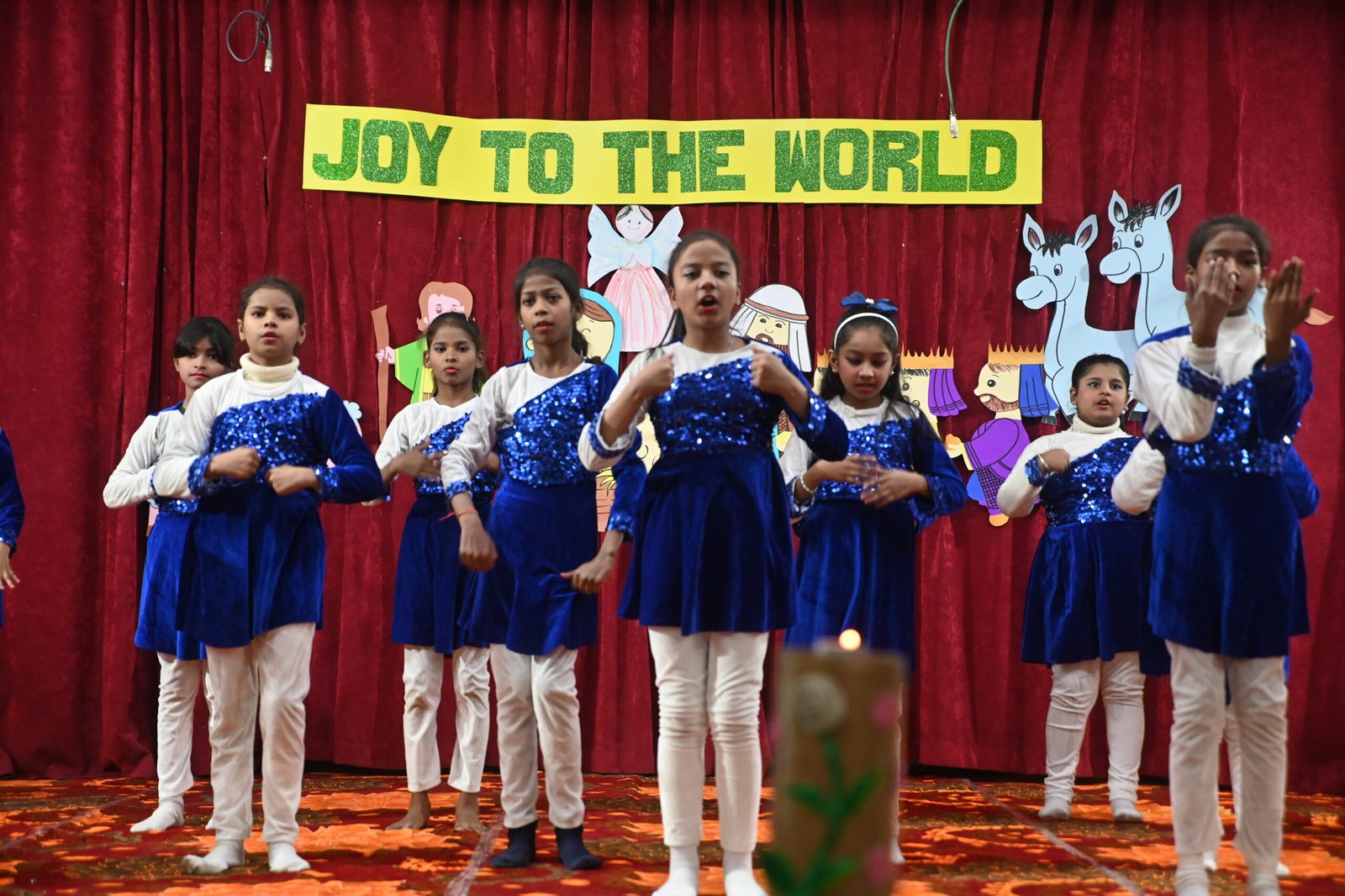
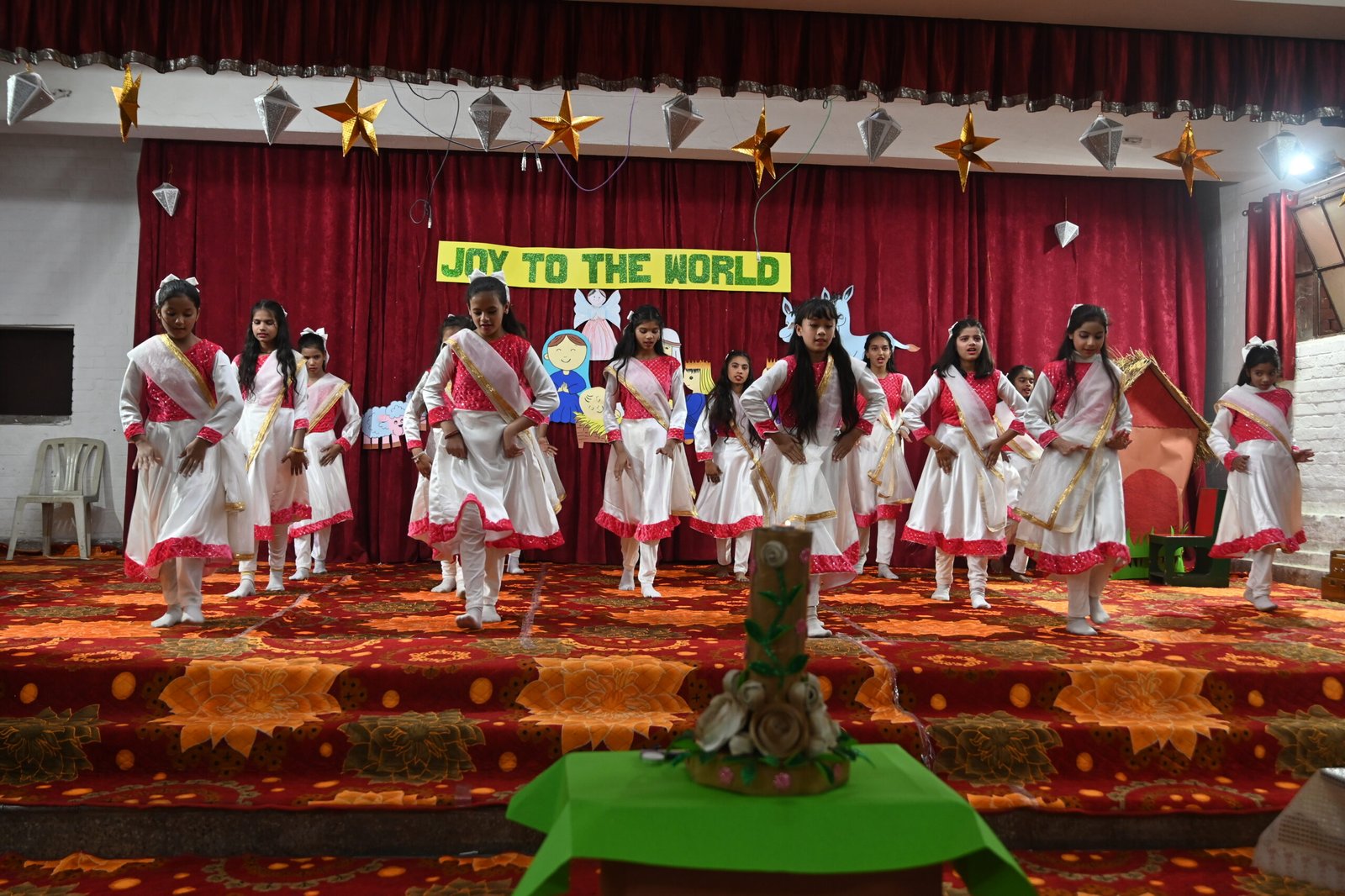
Christmas Day
Our Headmistresses
Infrastructure & Facilities
Lush green assembly and sports ground for outdoor activities, physical education, and school assemblies.
A dedicated indoor auditorium for cultural fests, annual functions, and extracurricular performances.
Dedicated space for art-integrated and activity-based learning programmes for young students.
A well-equipped computer lab that introduces students to digital literacy from an early age.
Eight well-maintained classrooms designed for comfort, hygiene, and accessibility for young children.
All-round sports activities promoting physical fitness, teamwork, and healthy competition among students.
Activities & Development
🎯 Co-Curricular Activities
- Tree plantation drives (Arbour Day)
- Olympiad participation — Silver Zone Foundation
- Activity-based learning programmes
- National Festival celebrations
- Special Assemblies
- Investiture Ceremony — Student Council
- Inter-house Hindi & English Elocution
- Essay Writing Competitions
🧑🏫 Teacher Development
- Joyful Learning in Mathematics (Art-integrated)
- Financial Literacy Training
- Pre-Primary Curriculum workshops
- Phonics & Early Years Learning Techniques
🏆 Achievements
- BSA recognition renewed under updated 2024 policies
- Consistent high academic results year-on-year
- Growth in Olympiad participation (national level)
- Expansion with new academic block
Fee Structure
The school ensures quality education at minimal cost, making it accessible to all sections of society. For admissions, contact the school office directly.
School Leadership
Vision & Mission
Special Primary School is dedicated to providing quality foundational education to children — especially those from marginalised sections of society — empowering them with knowledge, values, and confidence to become responsible citizens and lifelong learners.
To build strong academic foundations, values, and life skills among young learners through:
- Inclusive and affordable education for all
- Holistic child development — mind, body, and character
- Encouraging creativity and critical thinking
- Building strong moral and social values